How AI and IoT Are Revolutionizing Home Automation and Home Theatres: The Rise of Smart Home Automation in India

The rapid advancement of technology over the past few decades has reshaped the way we live, work, and entertain ourselves. Among the most significant advancements are Artificial Intelligence (AI) and the Internet of Things (IoT), which are revolutionizing how we interact with our homes. In India, the evolution of smart home automation is gaining momentum, leading to a transformation in home environments, including home theatres. This blog explores how AI and IoT are enhancing home automation and home theatres, highlighting their implications, benefits, and future outlook within the Indian context.
Introduction to Smart Home Automation in India
Smart home automation is becoming increasingly prevalent in India, driven by rapid urbanization, increased disposable incomes, and heightened awareness of technology’s benefits. The integration of AI and IoT is central to this movement, allowing homeowners to transform their living spaces into smart environments.
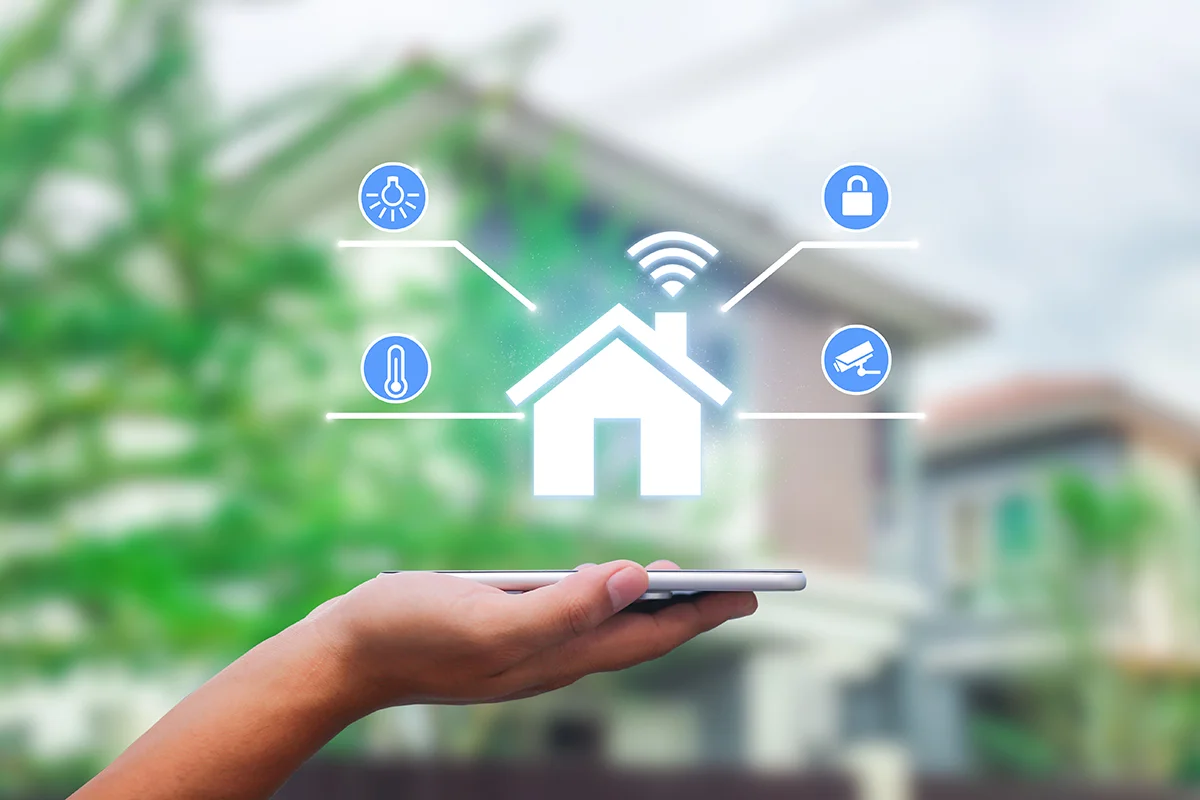
In Indian households, smart home automation systems enable residents to control various aspects of their home, from lighting and heating to security systems and home theatres, through their smartphones or voice commands. This level of connectivity and control is revolutionizing daily living and entertainment experiences, leading to a more efficient and enjoyable lifestyle.
In this blog, we will explore the intricate relationship between AI, IoT, and smart home automation in India, focusing on how these technologies are enhancing home theatres and shaping the future of home living.
Understanding AI and IoT
To fully appreciate the impact of AI and IoT on smart home automation, it is essential to understand these technologies and their applications.
What is AI?
Artificial Intelligence (AI) refers to the simulation of human intelligence processes by machines, particularly computer systems. AI encompasses various aspects, including:
- Machine Learning: The ability of algorithms to learn from and adapt to new data.
- Natural Language Processing (NLP): The capability of machines to understand and interpret human language.
- Computer Vision: The ability of AI systems to interpret and understand visual data.
In the context of smart home automation, AI enhances device interactivity and user experience by allowing machines to learn from user behavior and preferences.
What is IoT?
The Internet of Things (IoT) refers to the interconnection of everyday devices to the internet, allowing them to send and receive data. IoT devices are equipped with sensors that gather data and can communicate with other devices to create a cohesive smart environment.
In the realm of smart home automation, IoT enables seamless communication between devices. For example, a smart thermostat can receive data from temperature sensors and adjust the heating or cooling automatically based on pre-set preferences.
The Intersection of AI, IoT, and Smart Home Automation in India
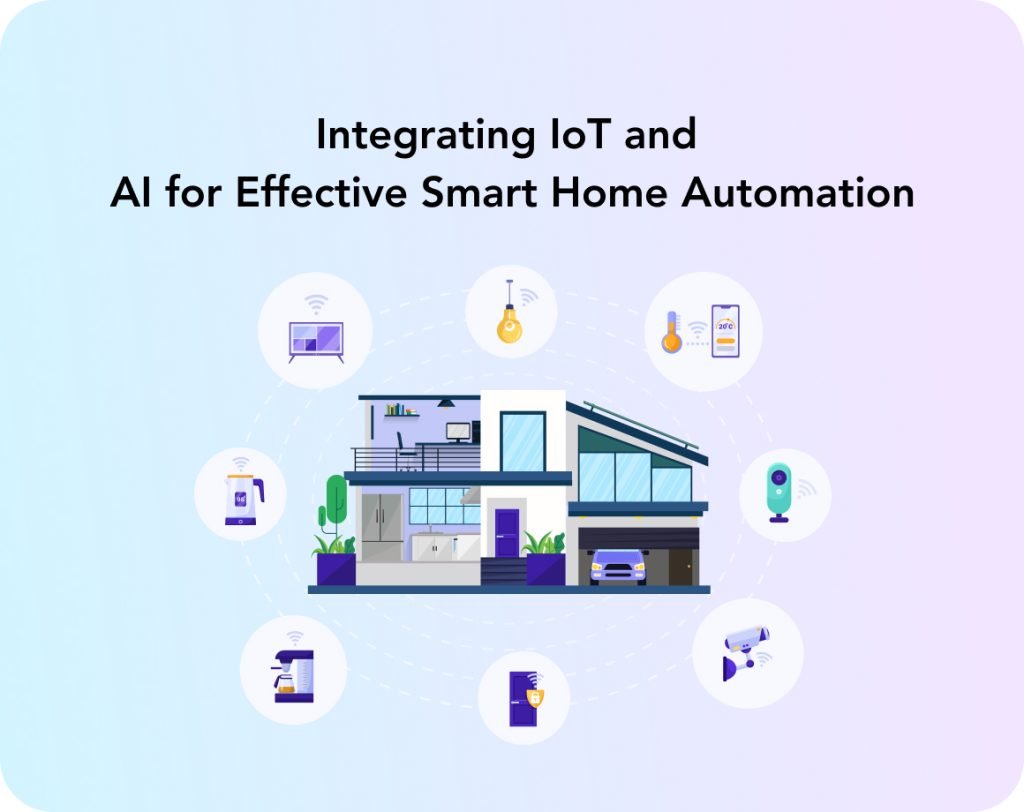
The convergence of AI and IoT technology has given rise to intelligent smart home automation solutions that cater to the specific needs of Indian consumers. In India, where the adoption of smart technologies is on the rise, many households are increasingly seeking systems that simplify daily routines, enhance security, and improve energy management.
Smart Sensors and Devices
The emergence of smart sensors and devices is a hallmark of smart home automation in India. These devices can collect and relay data, allowing for real-time monitoring and control. Popular examples include:
- Smart Lighting: Automated lighting systems that adjust brightness and color based on user preferences and time of day.
- Smart Thermostats: Devices that optimize heating and cooling schedules to reduce energy consumption while maintaining comfort.
- Smart Security Systems: Cameras and alarms that can be remotely monitored and controlled through a smartphone, providing homeowners with peace of mind.
Seamless Integration
IoT facilitates the seamless integration of various smart devices, allowing users to create interconnected systems that enhance convenience and functionality. For instance, a smart home ecosystem can link the security system to the lighting system, automatically illuminating entry points when motion is detected outside.
Benefits of Smart Home Automation in India
The impact of smart home automation is broad, offering numerous advantages for Indian homeowners. Here are some key benefits:
Enhanced Convenience
Smart home automation significantly simplifies everyday tasks. With a few taps on a smartphone app or through voice commands, homeowners can control multiple devices, adjust lighting, set temperature preferences, and manage security features.
Energy Efficiency
One of the most appealing aspects of smart home automation is its potential for energy conservation. Smart devices optimize energy usage based on habits, leading to reduced utility bills. For instance, smart thermostats can adjust heating or cooling automatically, while smart lighting systems can be programmed to turn off when a room is unoccupied.
Improved Security
Home security is a top priority for many families. Smart security cameras, motion sensors, and alarm systems provide real-time alerts, allowing homeowners to monitor their properties from anywhere. This enhanced security reduces the risk of break-ins and gives peace of mind, especially for those away from home.
Personalization
AI algorithms enable smart home devices to learn individual preferences over time. Personalization allows users to create customized routines, such as setting specific lighting moods for movie nights or adjusting temperature settings when it’s bedtime.
How AI and IoT Enhance Home Theatre Experiences
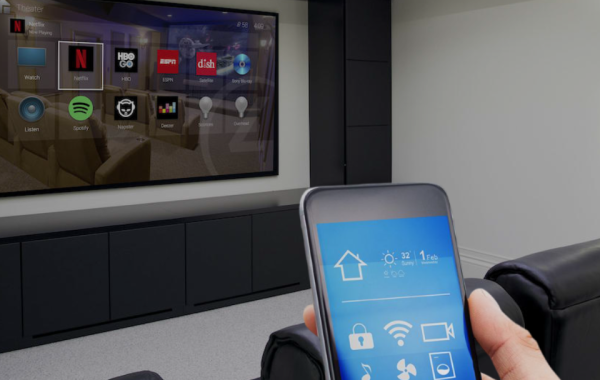
Home theatres are a significant area where smart home automation can truly shine. By integrating AI and IoT, homeowners can elevate their movie-watching or gaming experiences, creating immersive environments that rival those of commercial cinemas.
Smart Devices and Integration
The integration of IoT devices within home theatre systems facilitates seamless control and enhances convenience. Imagine an evening where, with a single voice command or press of a button, your home theatre setup adjusts all at once:
- The lights dim to your preferred level.
- The projector or smart TV powers up.
- The sound system switches on.
- Curtains close to darken the room.
This level of integration ensures that users can transition quickly between regular living space and home theatre mode without hassle.
Personalized Viewing Experience
AI plays a pivotal role in personalizing home theatre experiences. By learning your viewing habits, AI-enabled systems can recommend movies and TV shows based on your preferences, curate playlists, and even adjust settings for optimal viewing based on the content genre (e.g., brighter settings for comedies, darker for thrillers).
Automation of Home Theatres
Automation systems can involve more than just managing lights and sounds. Modern home theatre automation can include:
- Automated Screens: Automatic roll-down screens that can be controlled through an app or voice prompt.
- Smart Streaming Devices: Devices that connect to various streaming services allow users to access their favorite shows and films seamlessly.
- Multi-Room Audio Systems: Users can enjoy music or sound throughout different areas of the home, controlled via central systems.
Automation not only enhances the user experience but also contributes to controlling the environment and preventing distractions during viewing.
Challenges and Barriers to Adoption of Smart Home Automation in India
While the benefits of smart home automation are substantial, several challenges hinder widespread adoption in India.
Cost Considerations
The initial investment in smart devices and installation can be prohibitive for many consumers. Although the long-term benefits often justify the expense, the upfront costs remain a significant barrier, especially for middle-class families.
Lack of Awareness and Understanding
Despite the growing popularity of smart home solutions, a lack of awareness and understanding of the technology’s benefits can deter potential users. Many consumers may remain skeptical about the reliability and security of smart devices, leading to hesitancy in adopting the technology.
Technical Complexities
The complexity associated with setting up and configuring smart home systems can be daunting for some users. Those who are not tech-savvy may find it challenging to navigate setup instructions, leading to frustration or avoidance of smart home automation.
Fragmentation of Ecosystems
The smart home market in India is populated with various brands and devices, many of which operate independently without standardization. This fragmentation can create compatibility issues, preventing users from building a truly integrated system without extensive research and technical knowledge.
The Future of Smart Home Automation and Home Theatres in India
The future of smart home automation in India is incredibly promising, as emerging technologies continue to evolve and market dynamics shift. Here’s what to expect in the coming years:
Enhanced AI Capabilities
The integration of AI and machine learning will become increasingly refined, enabling systems to learn and adapt to user preferences with greater accuracy. As AI improves, features like predictive analysis can anticipate user needs, enhancing convenience and personalization further.
Increased Affordability and Accessibility
As the technology matures and production scales, prices for smart home automation devices are expected to decrease, making them more accessible for a broader segment of the population. Expect continued growth as smart technologies become a standard component of more homes.
Expansion of Ecosystem Compatibility
The future will likely bring greater compatibility between devices from different manufacturers through enhanced standards and protocols. This development will allow users to build cohesive smart home ecosystems without worrying about device limitations.
Focus on Sustainability
With rising awareness of environmental concerns, there will be an increased focus on energy-efficient smart home technologies. Solutions that minimize energy waste and optimize resource use will appeal to eco-conscious consumers.
Conclusion: Embracing the Future of Home Automation in India
The revolution of smart home automation in India is well underway, driven by the powerful capabilities of AI and IoT. These technologies are reshaping the way we interact with our living spaces, from enhancing everyday convenience to creating immersive home theatre experiences.
As the market evolves, so will consumer expectations. The demand for more personalized, integrated, and energy-efficient solutions will induce innovation and expansion in the smart home space. By addressing current challenges and enhancing user education, India will move closer to becoming a leader in home automation architecture.
Embracing this wave of innovation not only promises to elevate our lifestyles but also to pave the way for future generations to live in smarter, more connected homes. It’s an exciting time for smart home automation in India, and we can expect transformative changes that enhance living and entertainment experiences for many years to come.