
As India experiences rapid urbanization and technological advancements, the concept of home automation is gaining significant momentum. “Home automation India” is emerging as a trend that promises to transform how we manage our living spaces, offering users convenience, enhanced security, and energy efficiency. This blog explores the future of home automation in India over the next five years, touching on industry trends, emerging technologies, and what homeowners can expect.
Introduction to Home Automation in India
Home automation refers to incorporating advanced technology in residences, enabling homeowners to efficiently control various systems such as lighting, security, heating, and appliances from a centralized platform, often a smartphone or a web-based application. Home automation in India is at an exciting juncture, with an increasing number of households investing in smart technologies.
With rising disposable incomes, a growing middle class, and heightened awareness surrounding smart home technology, Indian consumers are more inclined to explore the benefits of home automation. This trend sets the stage for advancements in the home automation industry, leading to a future where smart homes become the norm rather than the exception.
Current State of Home Automation in India
As of 2025, home automation India is still in the early stages of adoption but continually gaining traction. A survey indicates that availability and affordability of smart devices significantly influence their rapid growth. Here’s a look at the current landscape:
Economic Factors
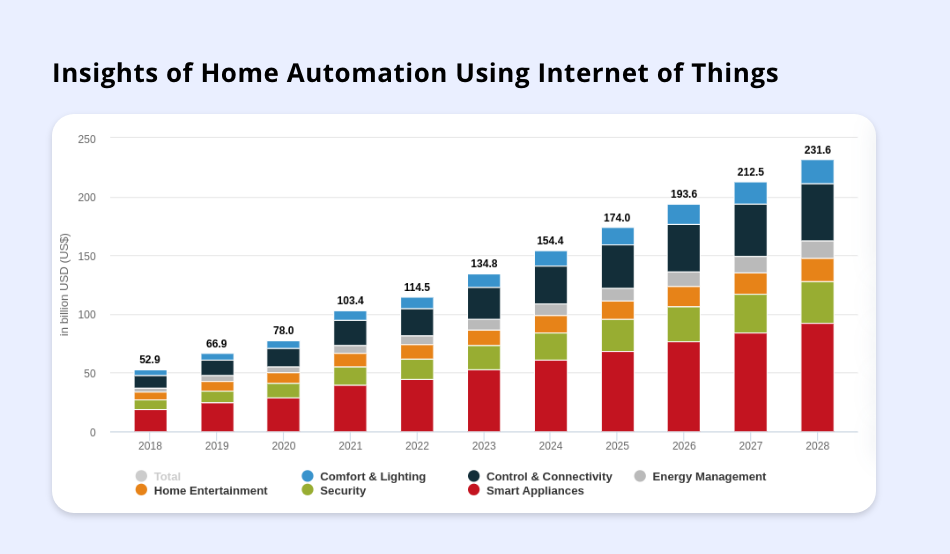
The Indian economy’s steady growth has led to an expansion of the middle class, which is driving demand for smart home solutions. With more money to spend, consumers are more willing to invest in convenience and security-enhancing technologies. The home automation market in India is projected to grow exponentially, with estimates showing a CAGR of over 25% in the next few years.
Urbanization Trends
India’s ongoing urbanization is another factor contributing to the rise of home automation. As more people migrate to cities, the need for effective and efficient home management solutions is becoming evident. Urban dwellers seek to modernize their living spaces to improve comfort, security, and energy efficiency, further fueling interest in home automation India.
Key Trends Impacting Home Automation in India
Numerous trends are shaping the future landscape of home automation in India. Understanding these trends will help consumers, manufacturers, and policymakers align their products and services with emerging market demands.
Rise of IoT in Home Automation
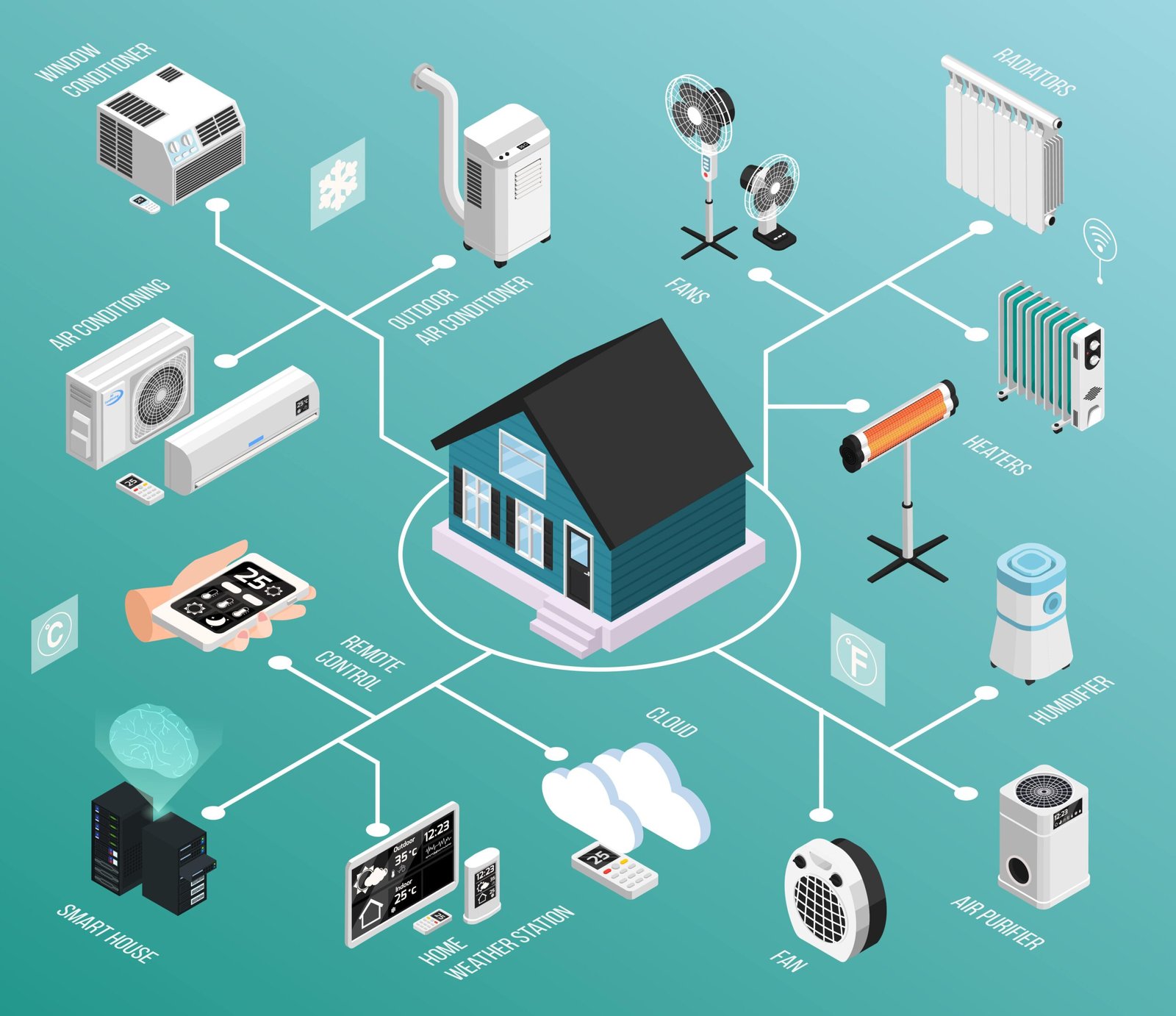
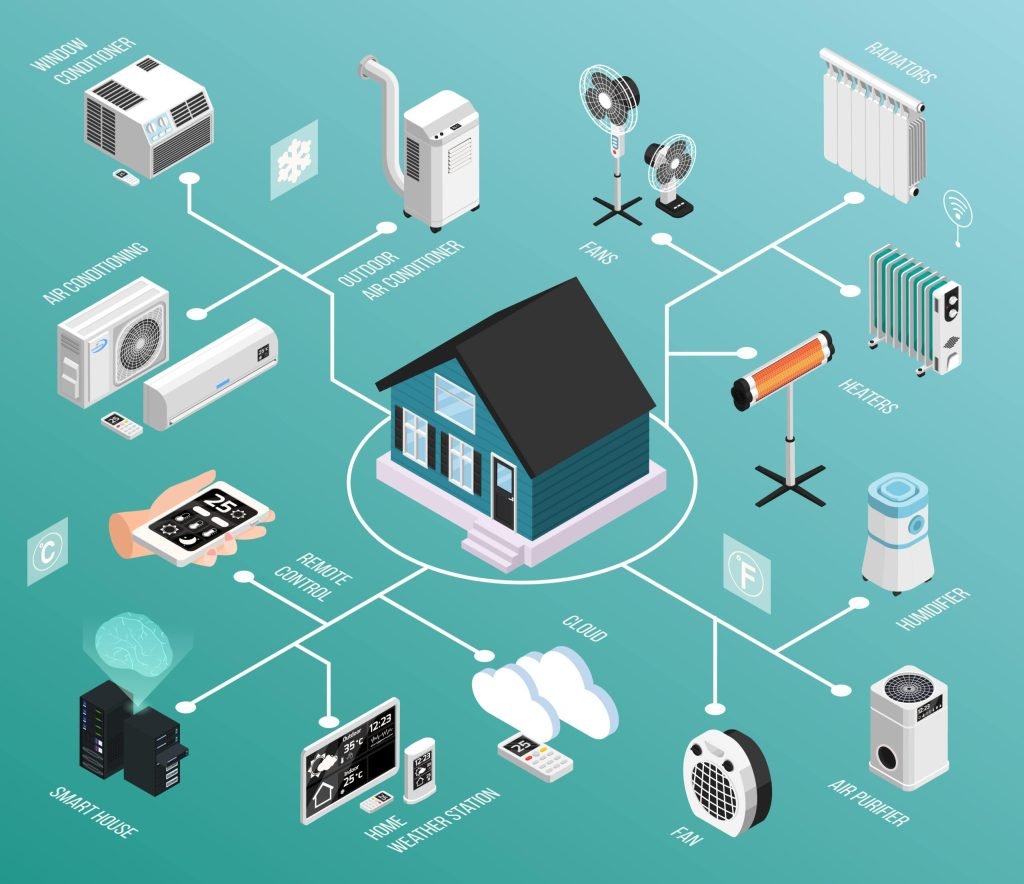
The Internet of Things (IoT) is a cornerstone of the home automation revolution. The interconnectedness of smart devices enables homeowners to control various aspects of their homes remotely and efficiently.
IoT technology is becoming more affordable, allowing consumers to invest in multiple connected devices that can easily communicate with each other. This proliferation of IoT will play a vital role in making home automation India a more intuitive and user-friendly experience.
Growth of Smart Devices
India is witnessing a surge in the availability of smart devices. Major electronics companies—from global brands to local startups—are entering the home automation market, releasing products tailored to the local audience. This diverse range of devices meets varying price points and preferences, making home automation accessible for more consumers.
In the coming years, expect innovations in smart lighting, surveillance systems, and home appliances that will further enhance the home automation experience in India.
AI and Machine Learning Integration
The integration of artificial intelligence (AI) and machine learning in home automation technology is set to revolutionize how smart devices function. With AI, devices can learn user preferences and adapt their settings accordingly, creating a more personalized living experience.
For instance, smart thermostats can analyze your daily routine to optimize climate control automatically. This level of intelligence is anticipated to enhance the efficiency and attractiveness of home automation India significantly, making it a practical choice for homeowners.
Consumer Demand for Home Automation in India
As consumers become more familiar with the benefits of automation, the demand for home automation in India is expected to surge. Several factors contribute to this growing interest.
Enhanced Lifestyle and Comfort
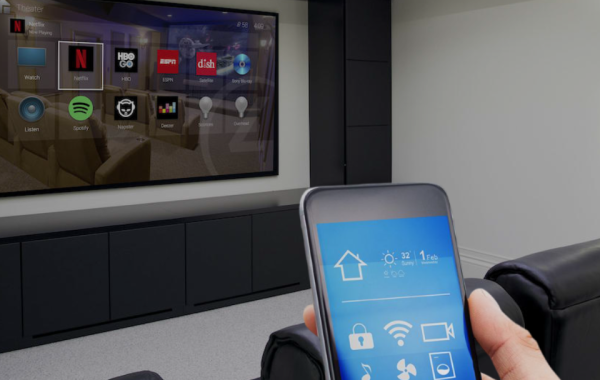
Home automation offers unprecedented convenience, enabling users to control devices with simple voice commands or through mobile apps. Imagine adjusting your home lighting, temperature, and security—all from the comfort of your couch. For many consumers, this comfort and control are invaluable.
Increased Security
Home security is a critical concern for Indian homeowners, and smart technology provides a robust solution. With features like remote surveillance, smart locks, and alarm systems, consumers can enjoy peace of mind knowing they can monitor their homes from anywhere.
As crime rates remain a concern in many urban areas, the demand for smart security solutions will continue to grow, further driving the home automation market in India.
Home Automation Solutions Tailored for Indian Consumers
To fully realize the potential of home automation in India, products and solutions must cater to the country’s unique cultural and architectural environments.
Affordability and Scalability
The future of home automation in India must consider affordability. Access to budget-friendly options will be essential for widespread adoption. Consumers are more likely to explore smart technology if they can invest gradually in scalable solutions that allow them to expand their automation systems over time.
Custom Solutions for Traditional Homes
Many Indian homes have traditional designs that may not easily accommodate modern automation technologies. Therefore, companies are exploring solutions that integrate seamlessly into existing architectural features, allowing homeowners to benefit from automation without compromising their home’s aesthetics.
Local Languages and User Interfaces
The Indian market is incredibly diverse, which means user interfaces need to cater to various languages and cultural preferences. By offering products with localized language options, manufacturers can enhance accessibility, making home automation India more user-friendly for a broader audience.
The Role of Government in Home Automation in India
Government support is critical for fostering growth in the home automation sector. Policymakers can create an environment that encourages innovation and investment in smart technologies.
Incentives for Smart Technology Adoption
To promote the adoption of energy-efficient devices and smart home solutions, the government could introduce financial incentives such as tax rebates or subsidies for homeowners investing in home automation. This could significantly increase market penetration and broaden access to smart technologies.
Infrastructure Development
Robust digital infrastructure is essential for the growth of home automation in India. The government must prioritize investments in high-speed internet and reliable connectivity to support the increasing number of connected devices in homes. Improved infrastructure will ensure that homeowners can fully benefit from their smart home technologies without lag or interruptions.
Challenges and Barriers to Adoption of Home Automation in India
Despite the promising outlook for home automation in India, several barriers may affect its widespread adoption.
Awareness and Education
A significant portion of the population remains unaware of the possibilities offered by home automation technologies. To address this, comprehensive education campaigns are essential in informing consumers about the benefits and functionalities of smart solutions.
Installation and Maintenance Concerns
Many homeowners may feel daunted by the perceived complexity of installing and maintaining automated systems. Providing accessible installation services and clear instructions will be crucial in overcoming this obstacle and making home automation more attractive to the average consumer.
Initial Costs and Long-Term Return on Investment
While smart home technologies offer numerous advantages, convincing consumers of their long-term value can be challenging. Manufacturers and service providers must emphasize the energy savings, enhanced safety, and convenience that come with investing in home automation India, making the case for a sound return on investment.
Future Predictions for Home Automation in India
Looking ahead to the next five years, the landscape of home automation India is likely to evolve significantly. Here are some predictions about the driving forces that will shape this industry:
Proliferation of Smart Cities
As India actively pursues the smart cities initiative, home automation will become an integral part of urban living. Homes equipped with smart technologies will align with the broader vision for interconnected urban environments, fostering efficiency and sustainability.
Increased Focus on Sustainability
Sustainability will become a critical aspect of home automation innovation. Consumers are becoming increasingly eco-conscious, and home automation technologies that promote energy conservation and waste reduction will gain traction as more individuals seek sustainable living solutions.
Growth of AI-Powered Comfort Solutions
The infusion of artificial intelligence into home automation will lead to further enhancements, allowing for inexplicable levels of personalization and convenience. The future of home automation India will see devices that not only respond to immediate commands but anticipate users’ needs and preferences—creating a highly tailored living experience.
Conclusion: The Road Ahead for Home Automation in India
The future of home automation in India presents a wealth of opportunities for homeowners, businesses, and the government alike. As the market evolves, manufacturers and service providers will need to adapt to the unique cultural, social, and economic factors that characterize the Indian landscape.
By addressing challenges and focusing on education, affordability, and user-friendly solutions, we can pave the way for a smarter, more connected future. Home automation India has the potential to transform everyday living, making homes more comfortable, secure, and efficient.
As technology continues to advance and awareness develops, we can expect that the everyday experience of Indian households will be revolutionized through home automation, leading to a brighter, more innovative future. Embracing these changes will enhance not only individual lifestyles but also the quality of living in communities across the country.